
Top 5 Recommended Historic Venues for Corporate Meetings and Events
2025.11.14
columnTable of Contents
- Top 5 Recommended Historic Venues for Conferences and Corporate Events
- Real-Life Success Stories
- When Is a Historic Venue the Right Choice?
- Planning Process and Key Considerations
Top 5 Recommended Historic Venues for Seminars and Corporate Events
-Heian Jingu Kaikan (Kyoto)
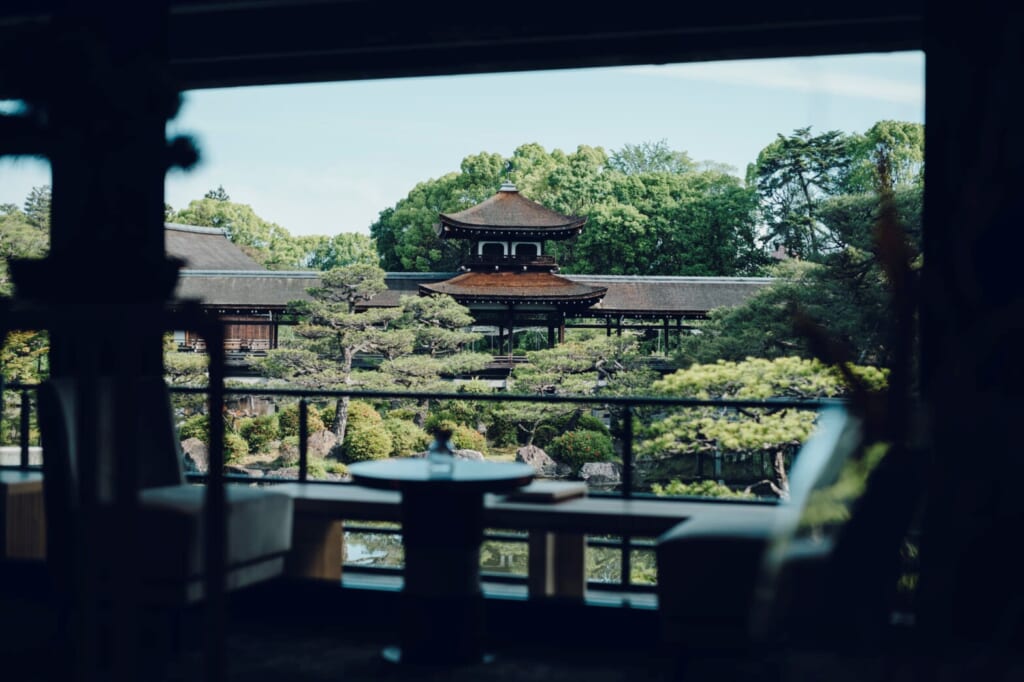
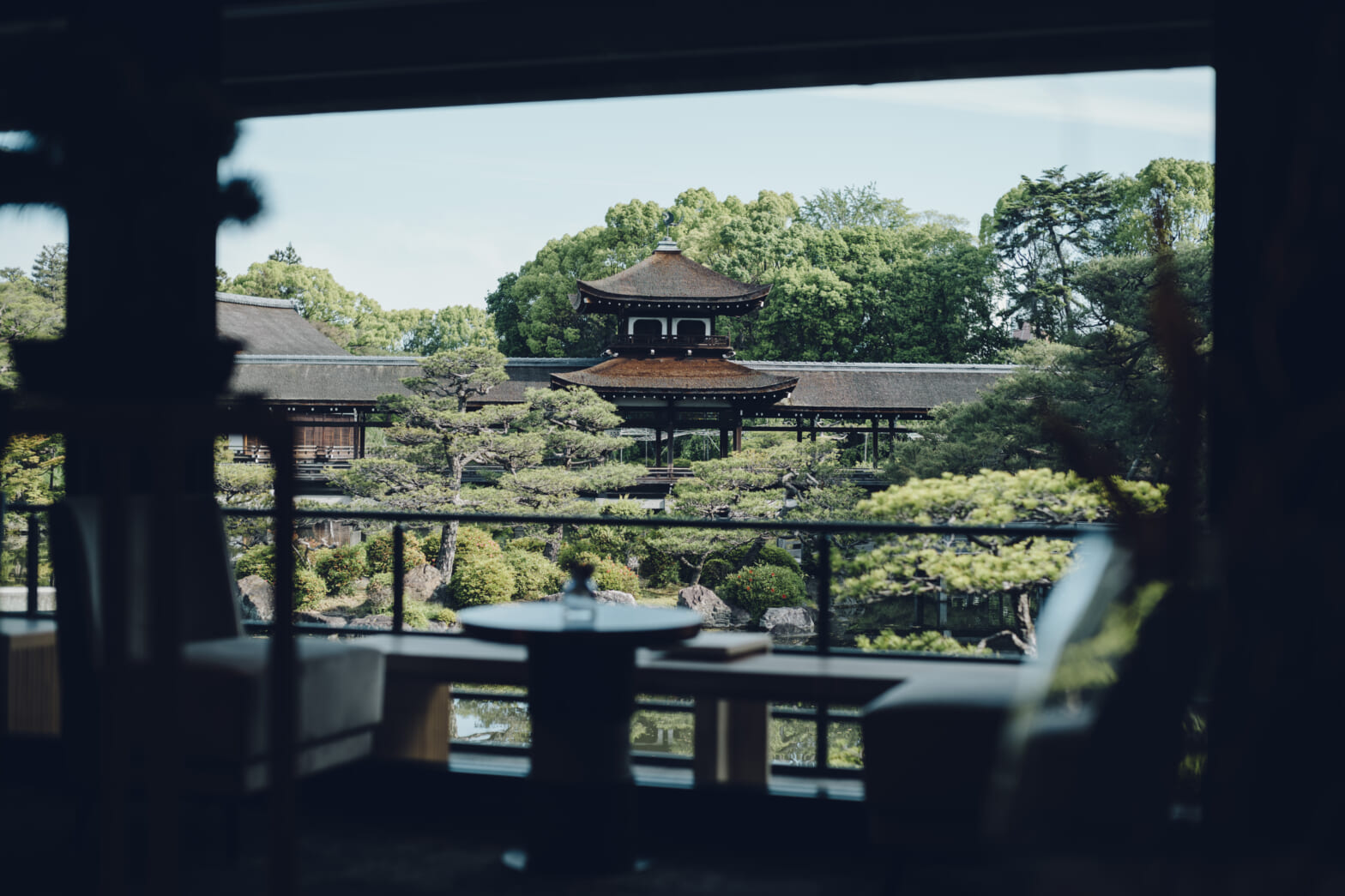
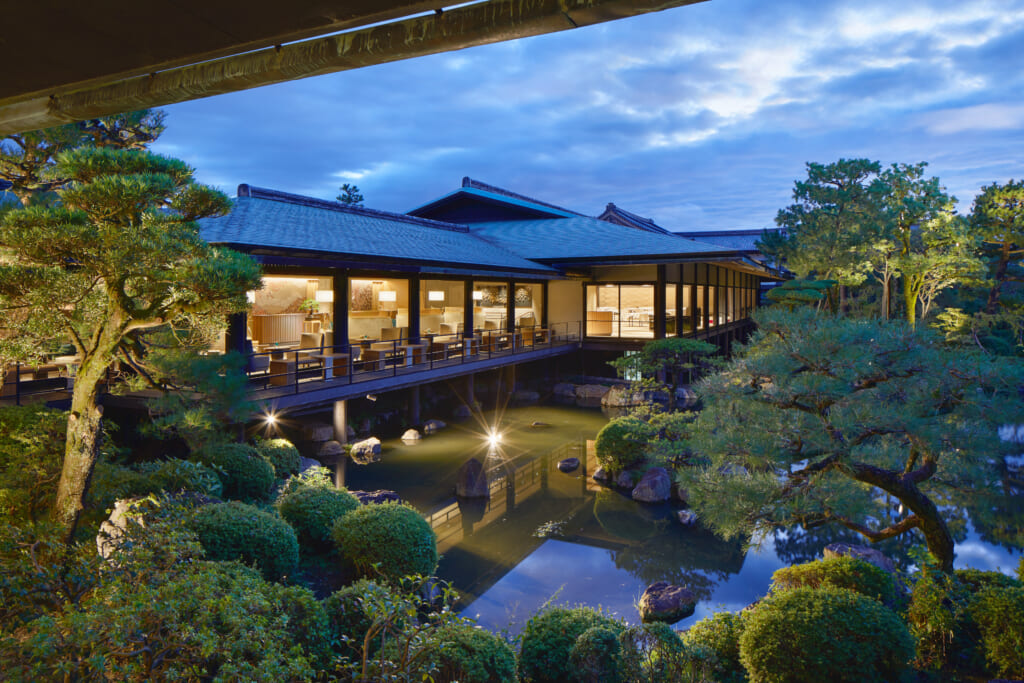
Renovated in 2018, Heian Jingu Kaikan is located adjacent to the nationally designated scenic garden “Shin’en” within the Heian Shrine grounds. The venue features two banquet halls and a lobby lounge, making it suitable for a wide range of events—from intimate seminars using partitioned spaces to full-scale corporate events with exclusive use of the entire facility.
Click here for more details about Heian Jingu Kaikan
-Hōkan-ji Temple 〈Yasaka Pagoda〉(Kyoto)
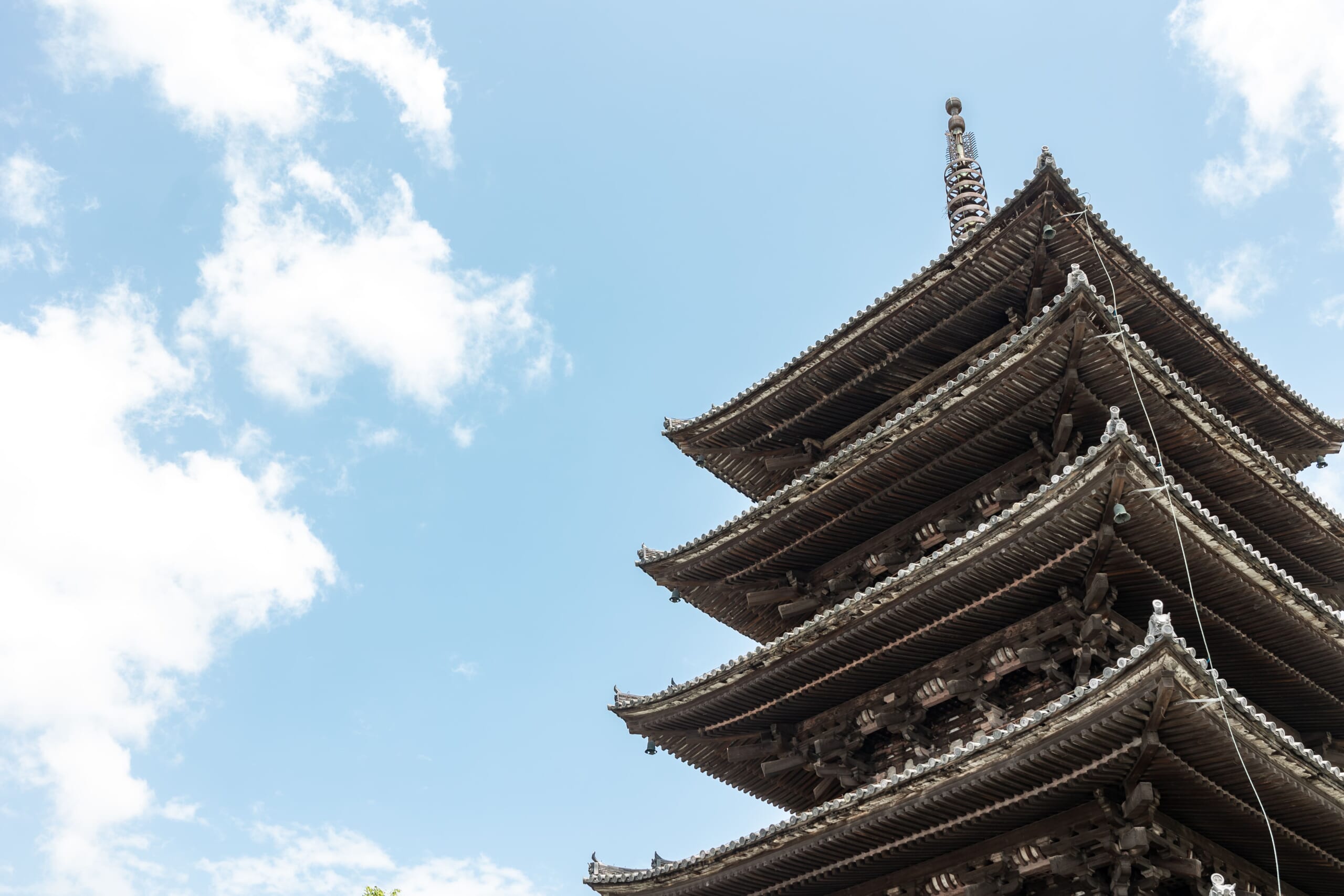
Famed as “Yasaka no To” (Yasaka Pagoda), this iconic five-story pagoda is one of Kyoto’s oldest and most historically significant landmarks. As the oldest surviving pagoda in the city, it stands as a proud symbol of Kyoto’s rich heritage. The temple grounds can be used as an event venue, offering a one-of-a-kind setting for memorable corporate gatherings or cultural experiences.
Click here for more details about Hōkan-ji Temple (Yasaka Pagoda)
-The Hillside Kobe (Hyogo)
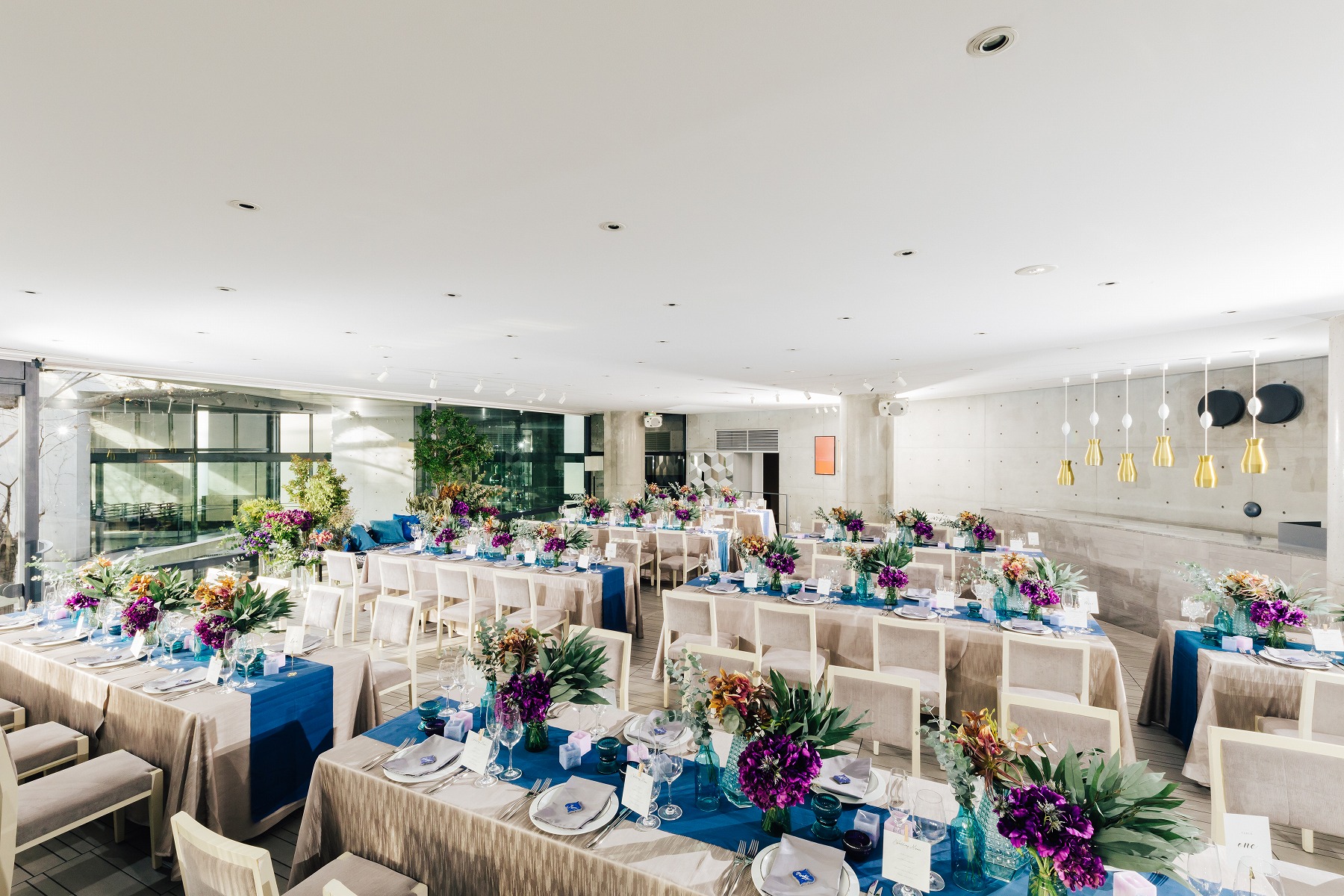
Designed by world-renowned architect Tadao Ando, The Hillside Kobe is a stunning venue where light and greenery harmonize beautifully. The minimalist yet warm and elegant interior offers a sophisticated setting that can be tailored to suit both intimate and large-scale corporate events, creating a sense of privacy and exclusivity.
Click here for more details about The Hillside Kobe
-Osaka Guest House at Nishinomaru Garden (Osaka Castle)
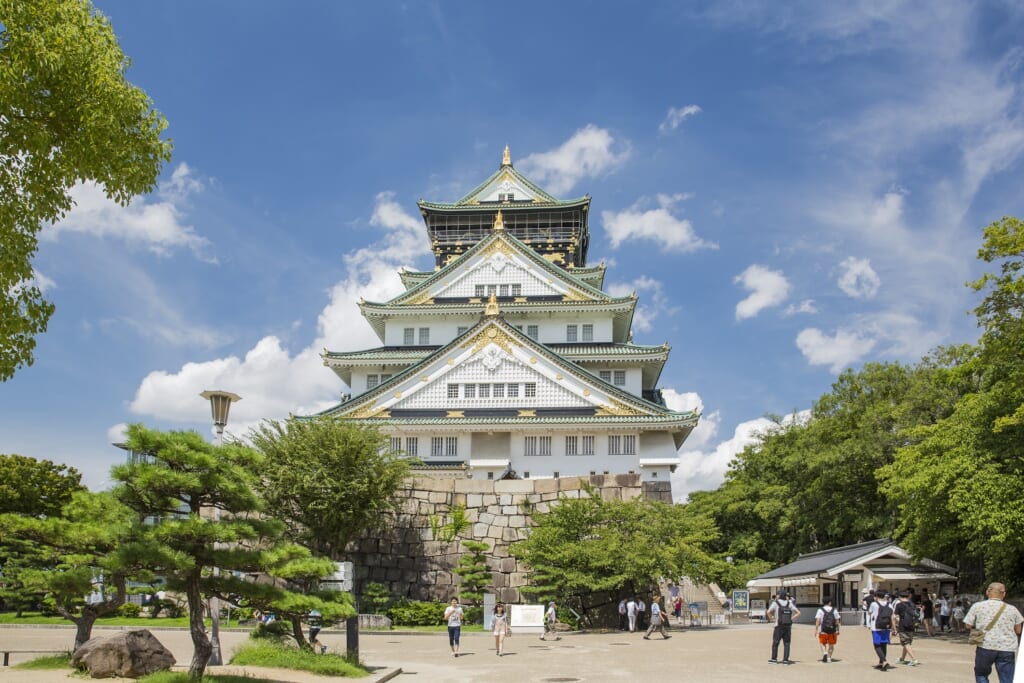
Originally built as a venue for international summit meetings, the Osaka Guest House is located within the scenic Nishinomaru Garden of Osaka Castle. With views of the historic keep and lush greenery, it is an ideal venue for group lunches or dinners, as well as welcome parties, farewell gatherings, and award ceremonies.
Click here for more details about Osaka Guest House at Nishinomaru Garden
-Funatsuru Kyoto Kamogawa Resort(Kyoto)
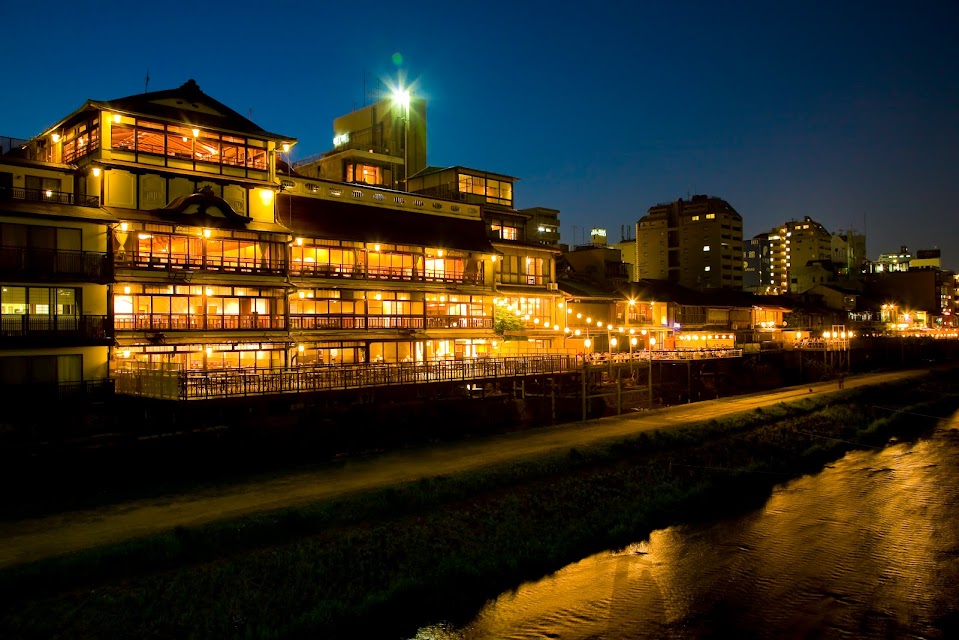
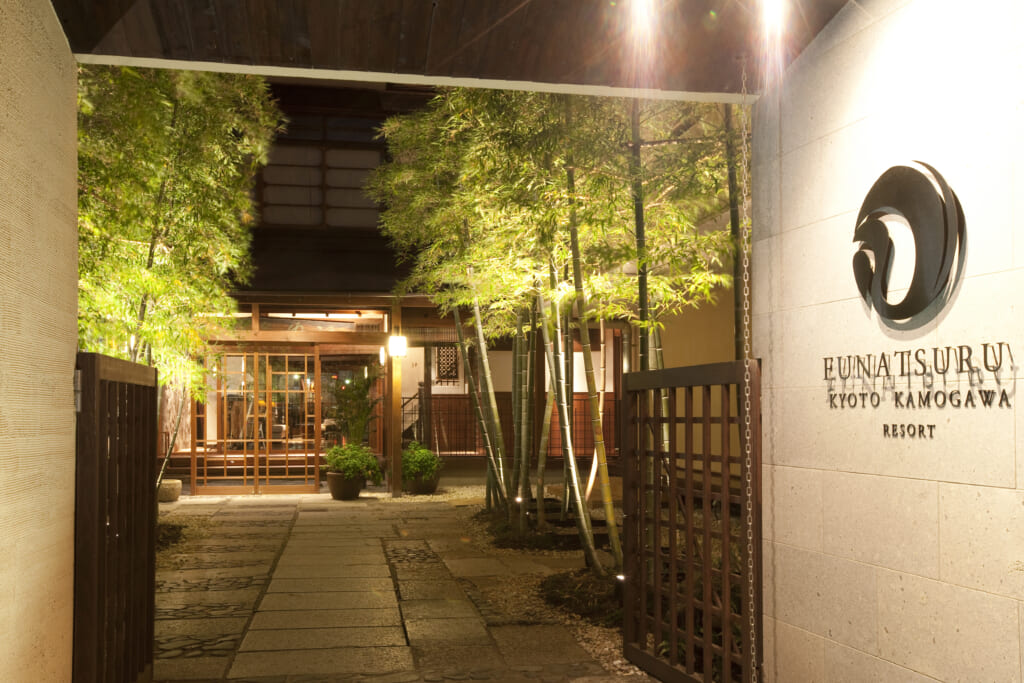
Established in 1870, Funatsuru is a historic ryotei-style inn located on the banks of the Kamo River. The five-story wooden structure, designated as a Registered Tangible Cultural Property in 2012, provides an elegant setting for seasonal Kyoto-style banquets and events infused with traditional charm.
Click here for more details about Funatsuru Kyoto Kamogawa Resort
Real-Life Success Story
Welcome Party for New Employees at Funatsuru Kyoto Kamogawa Resort
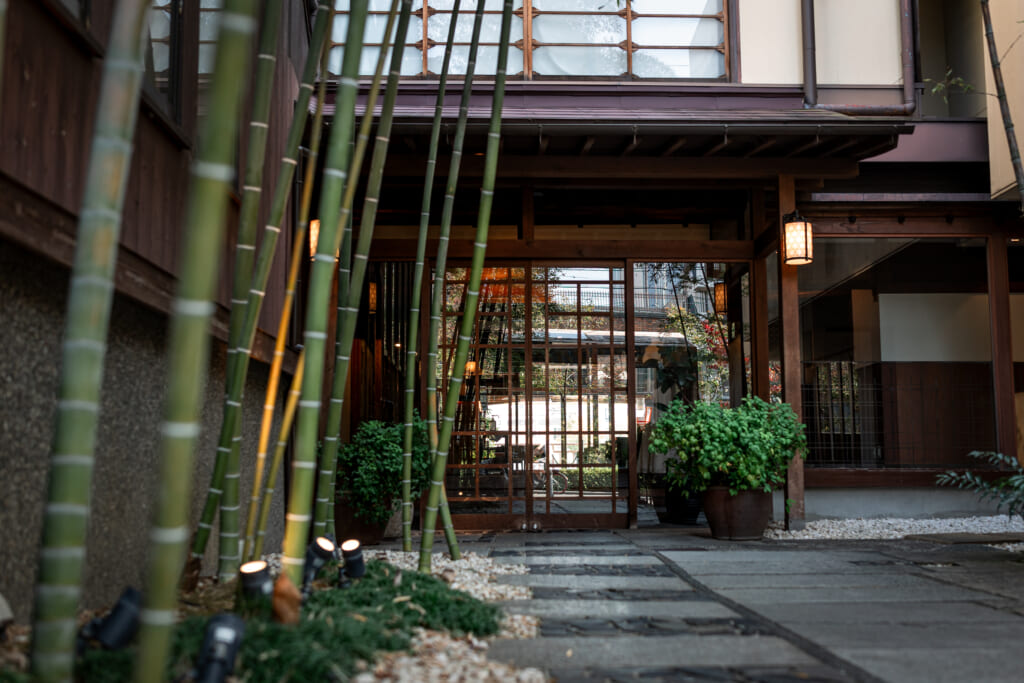
Funatsuru, a heritage venue with roots dating back to 1870, sits along the poetic Kiyamachi Street by the Kamo River. Known for its cultural ambiance and majestic architecture, it provided the perfect backdrop for a vibrant welcome party.
The event theme—”A Floral Welcome”—was inspired by the organizer’s request to create a colorful, flower-filled atmosphere. Personalized decorations, including company-branded signage and menus, helped introduce the new employees to the company in a warm and memorable way.
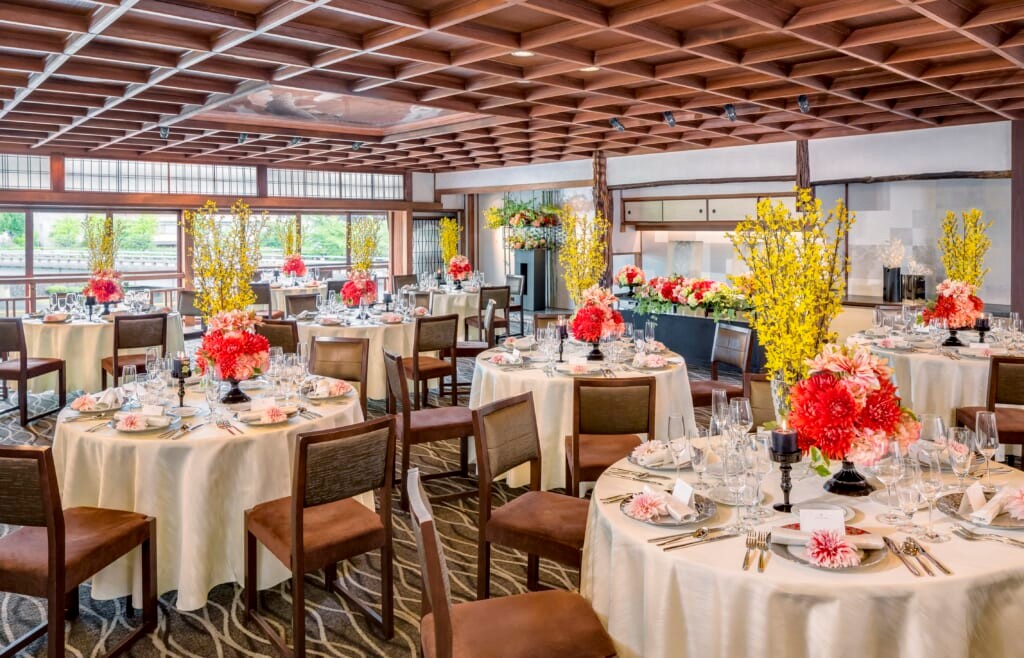
Feedback from participants highlighted that the event left a lasting impression and would surely be remembered fondly by the new hires for years to come.
Click here for the full case study of the Funatsuru Kyoto Kamogawa Resort event
When Is a Historic Venue the Right Choice?
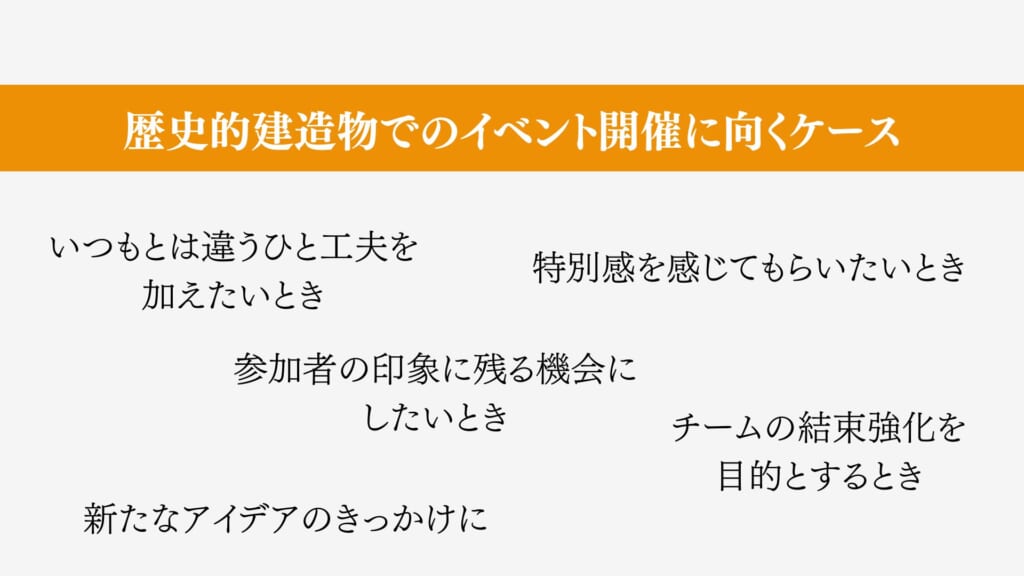
If you’re looking to break away from the usual format of your seminars or meetings, holding your event in a historic building can provide a refreshing alternative. These venues offer a strong sense of occasion and can inspire fresh ideas through their unique atmosphere.
Historic venues are also ideal when you want to leave a lasting impression on participants or aim to strengthen team bonds. The distinctive setting encourages natural conversation and connection among employees, fostering a more engaging and memorable experience.
Planning Process and Key Considerations
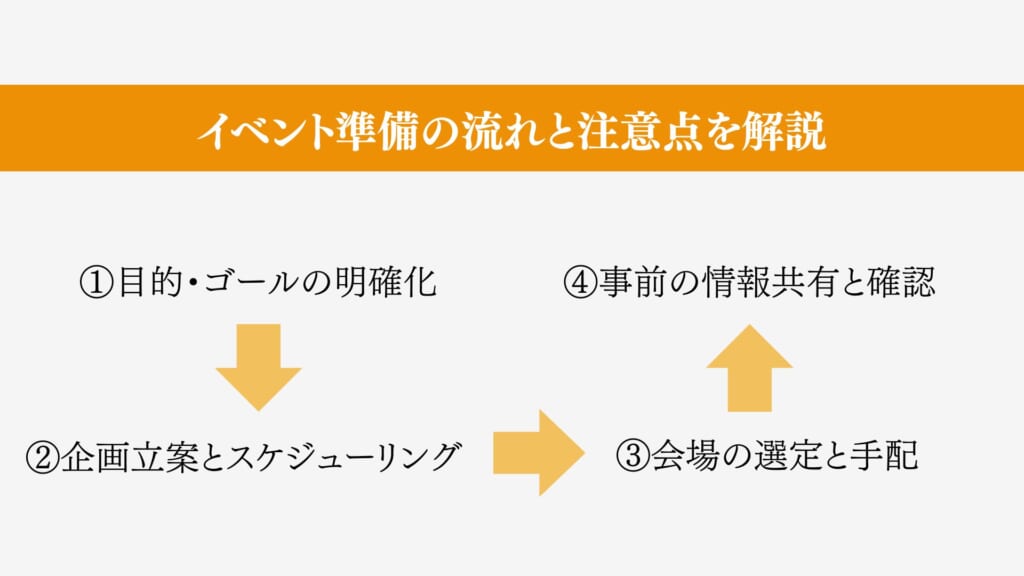
①Clarify the Purpose and Goals
Every corporate event has a different objective—whether it’s promoting internal communication, sharing a vision, or celebrating milestones. Begin by clearly defining the purpose of your seminar or meeting.
②Planning and Scheduling
Certain times of year—such as April, October, and the holiday season—are peak event seasons. Advance planning is highly recommended to secure your preferred venue and ensure availability.
③Venue Selection and Booking
Choose a venue that matches your goals and expected number of attendees. Historic buildings may come with specific restrictions on facilities or usage, so it’s important to confirm these in advance to ensure smooth operations.
④Information Sharing and Coordination
Communicate thoroughly with participants ahead of the event. From attendance confirmations to logistical details, making sure everyone is well-informed will help the event run seamlessly on the day.
PLACE
Find a venue
Spend time with your loved ones,
at a one-of-a-kind location
where you can experience Japanese culture.