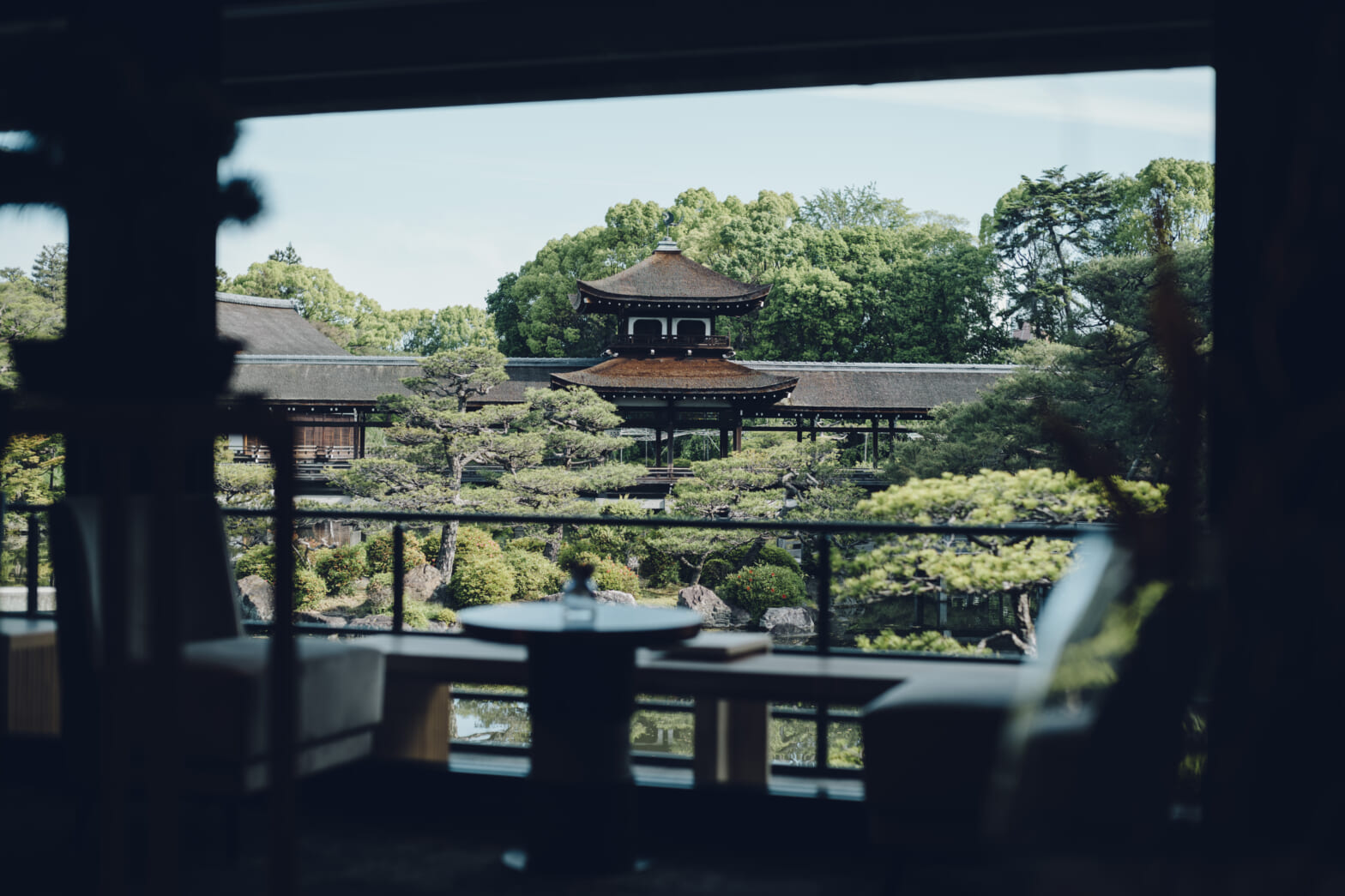

Which Corporate Party Format Is Right for You? | How to Choose the Best Style by Purpose for a Successful Event
2025.11.14
column
Table of Contents
- Introduction: It’s Normal to Feel Uncertain
- Types of Banquet Formats and Their Characteristics
- 3 Key Points for Choosing the Right Banquet Format
- Think Beyond the Format – Focus on the Experience
- Conclusion: Design a Memorable Time for Everyone
Introduction: It’s Normal to Feel Uncertain

When you’re put in charge of organizing a corporate banquet, one of the first things you’ll likely struggle with is deciding on the right format for the event. From standing receptions and seated dinners to buffets and gala-style banquets, there are many different styles to choose from.
The ideal format depends largely on the event’s purpose — is it a casual gathering to encourage interaction among employees, or a formal occasion to host important clients? In addition to the objective, you’ll also need to consider factors such as the venue atmosphere, flexibility in terms of presentation and entertainment, budget, and number of attendees.
This article will break down the characteristics of various banquet formats and offer key tips for choosing the one that best fits your needs — so you can plan with confidence and create a successful event.
Types of Banquet Formats and Their Characteristics
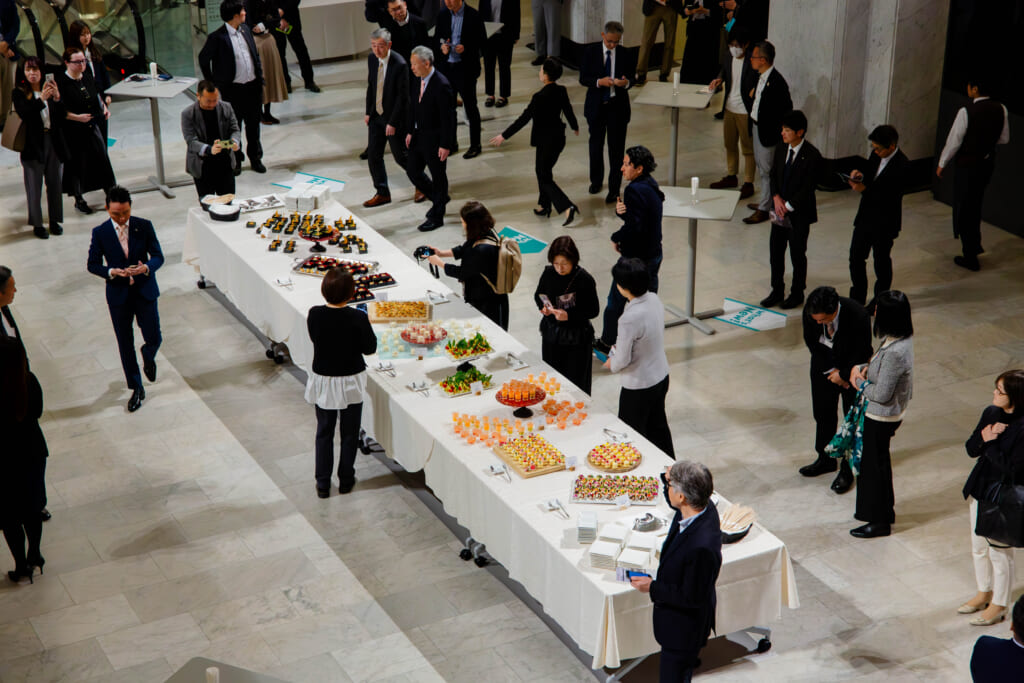
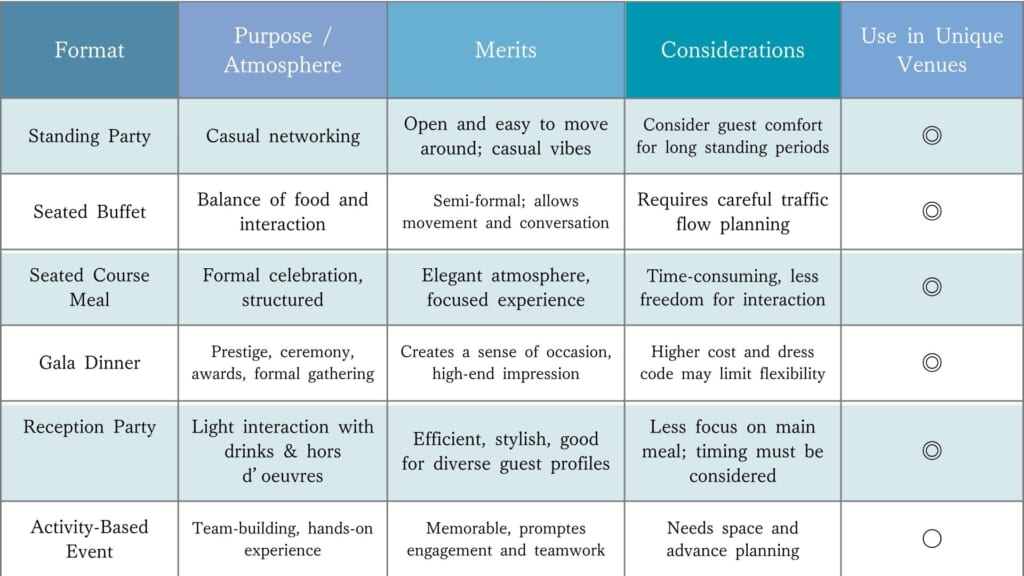
One of the first challenges in planning a corporate banquet is deciding which format is best suited for the occasion. The ideal style depends on factors such as the participants’ profiles and the event’s objective. Below, we introduce six common banquet formats — outlining their key features, the types of events they suit best, and how unique venues can enhance the experience.
1. Standing Reception
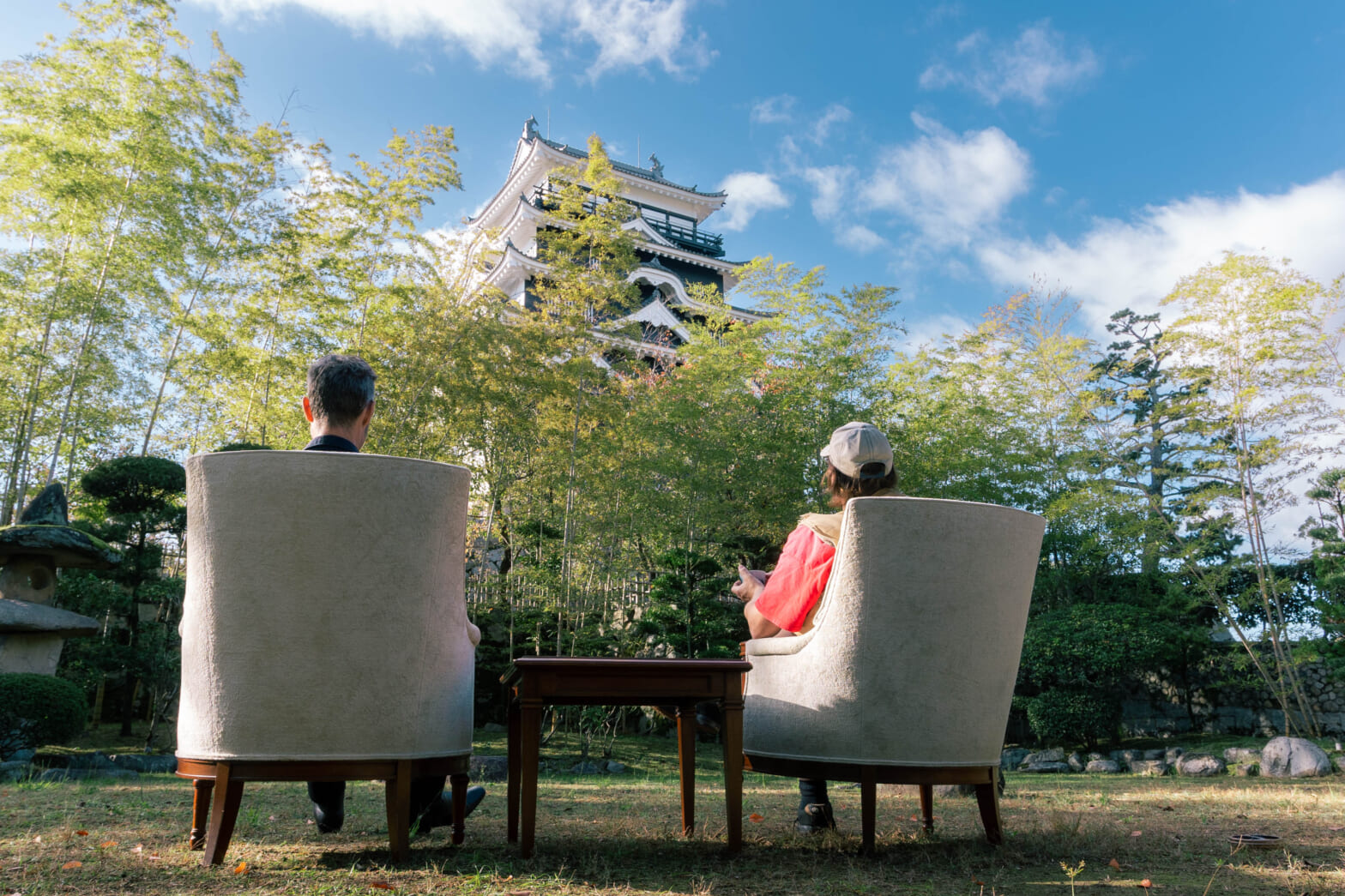
This format offers an open, relaxed atmosphere that allows guests to move freely — ideal for encouraging interaction across departments and helping younger employees build connections. It pairs well with unique venues like historical buildings, art galleries, or gardens, leaving a memorable impression. However, it’s important to consider measures for guest comfort, especially if the event is lengthy.
2. Seated Buffet
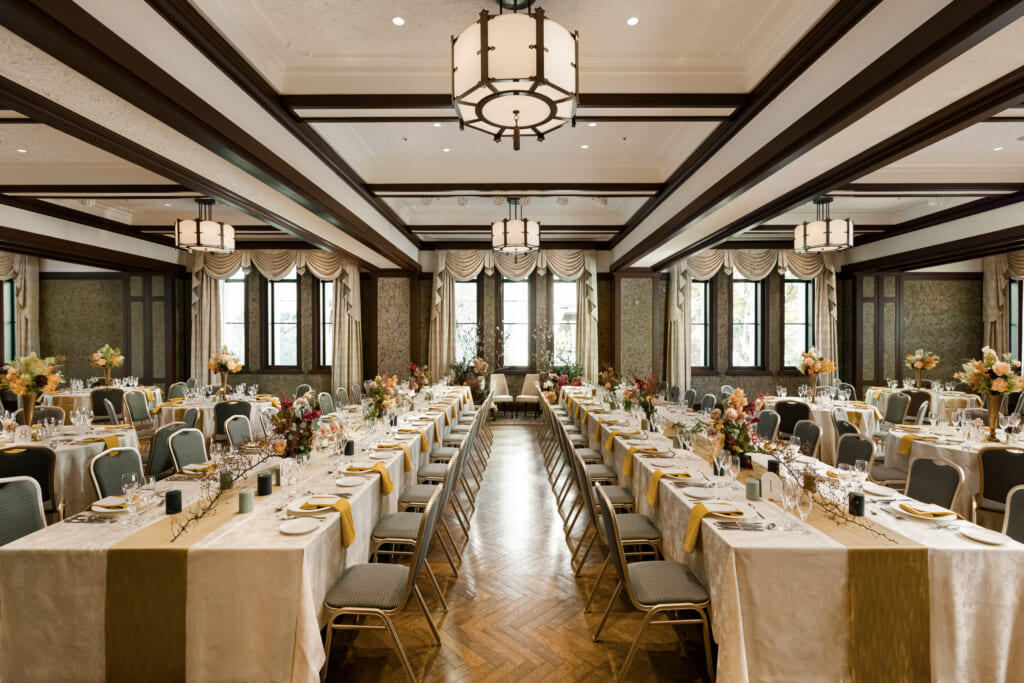
Balancing social interaction and dining, this style creates a moderately formal yet casual vibe. It’s well-suited for mixed-age groups and events involving both internal and external attendees. Seated buffets also adapt well to venues like historic guesthouses or Western-style mansions. Thoughtful seating arrangements are key to a successful event.
3. Seated Course Dinner
A formal option best suited for events with executives, clients, or other high-level guests. It allows for quiet, focused conversations in an elegant setting. Venues such as cultural properties, shrine halls, and formal reception houses complement this format well. Since opportunities for mingling are limited, creative entertainment or program design can help balance the experience.
4. Gala Dinner
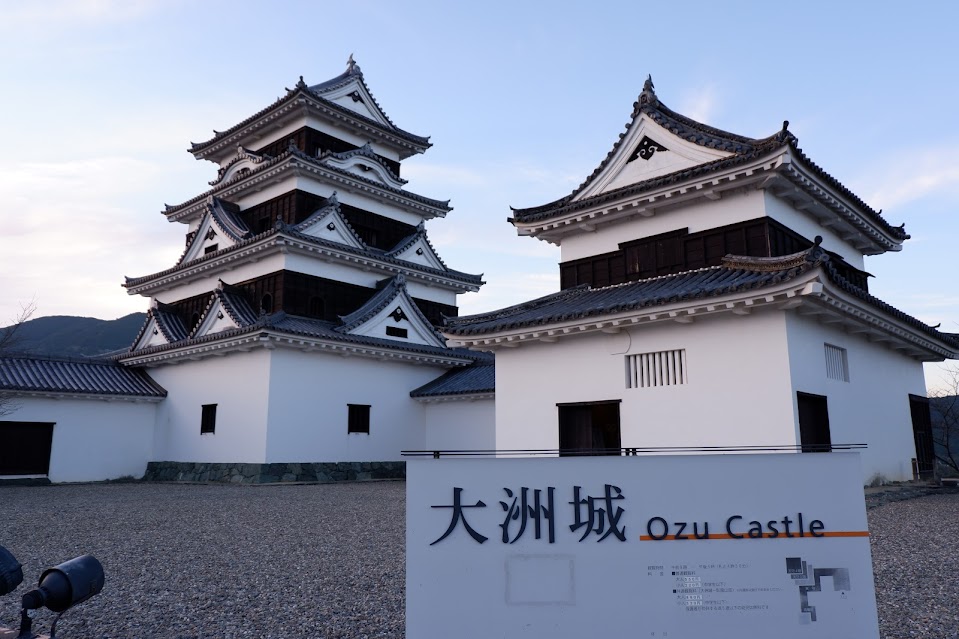
Ideal for milestone celebrations or VIP events, a gala dinner creates a luxurious, extraordinary atmosphere. It’s highly compatible with unique venues like castles or former estates, making a powerful impression. However, it typically requires ample budget and preparation time to execute successfully.
5. Reception Party
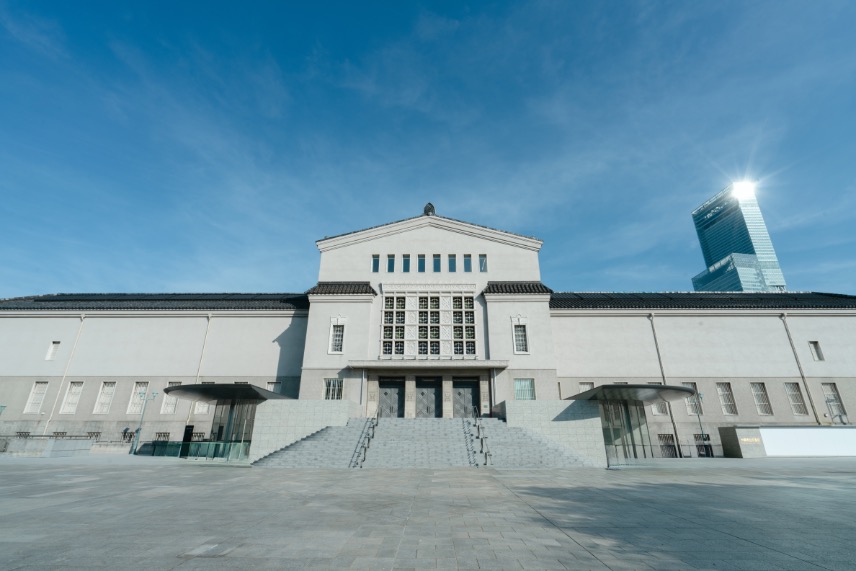
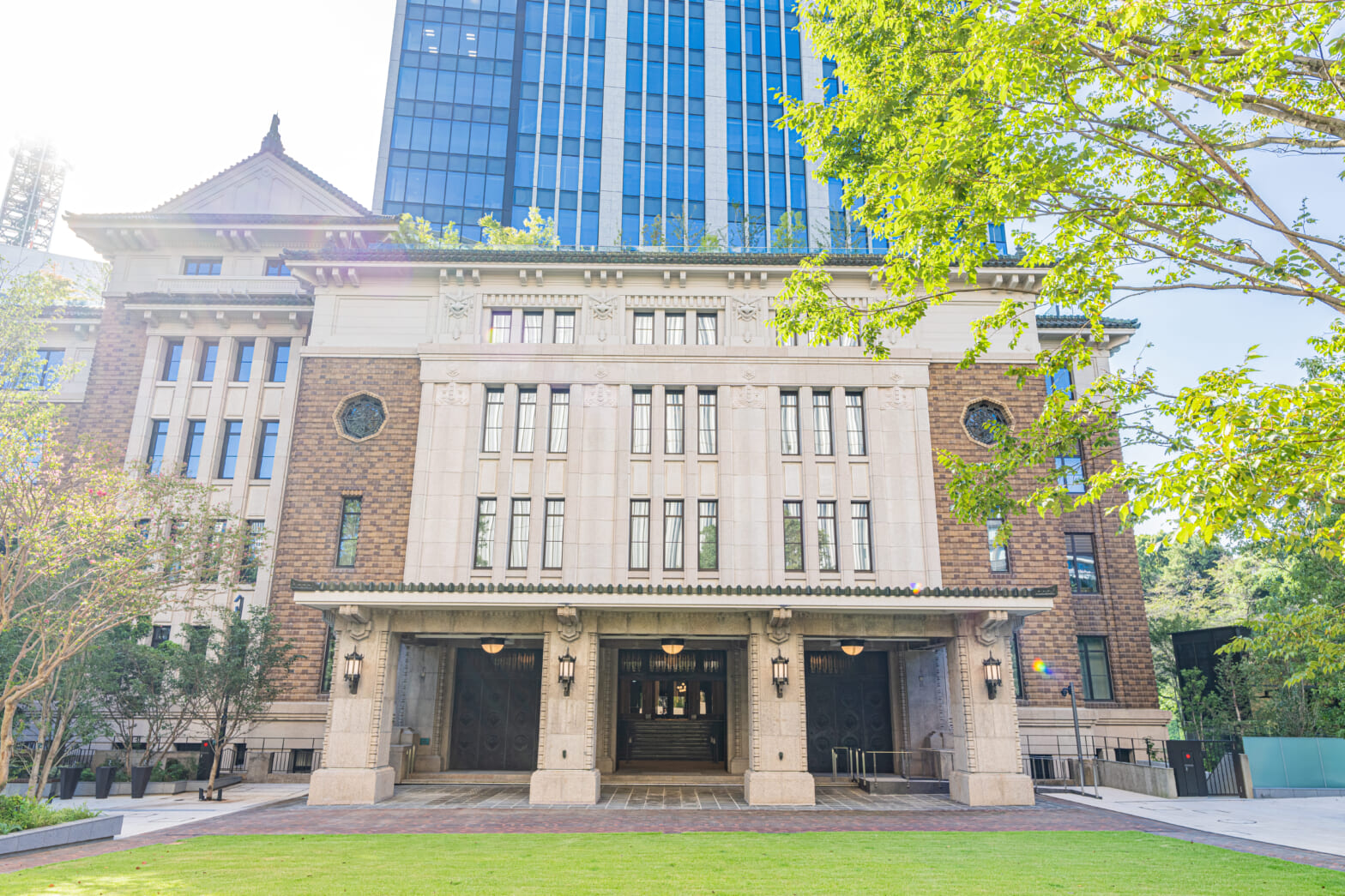
Often held after ceremonies or launch events, this format is great for networking with external guests or industry professionals. It can range from semi-formal to formal, and cultural venues like museums and memorial halls work especially well. Careful planning and scheduling are crucial for smooth execution.
6. Activity-Based Gathering
Perfect for team-building or fostering closer relationships among employees. Whether it’s an outdoor adventure or a workshop in a traditional farmhouse, shared experiences naturally spark conversation. Unique venues like old storehouses or gardens add a sense of novelty and help create lasting memories. That said, these events require significant time and effort to plan and manage effectively.
3 Key Points for Choosing the Right Banquet Format
1. Clarify the Purpose
The key to a successful corporate banquet lies in clearly understanding why you’re hosting the event. For example, if the goal is to foster relationships among employees, a standing reception or casual dining style that allows for free movement is ideal. On the other hand, if you’re inviting clients or business partners to show appreciation, a more formal seated dinner or gala-style event would be more appropriate.
When the purpose is unclear, choices around venue, food, and entertainment may feel disjointed, resulting in an event that fails to leave a lasting impression. Start by defining what you want to achieve through the banquet, and choose a format that aligns with that objective.
2. Consider Guest Profile and Headcount
Understanding your guests — their roles, relationships, and numbers — is crucial when selecting a banquet format. If the group includes a wide age range or many people meeting for the first time, a buffet-style event with flexible seating can encourage more interaction. For events with senior executives or clients, a quieter, seated format is often more appropriate.
The number of attendees also matters: larger groups may require unifying elements or stage programs to maintain cohesion, while smaller gatherings benefit from spaces that promote relaxed conversation. Choosing a style that balances comfort and interaction will go a long way toward guest satisfaction.
3. Balance Budget and Venue
While it’s important to envision the ideal banquet, real-world constraints like budget and venue availability must be factored in. Formal events like gala dinners tend to incur higher costs due to food quality, décor, and staffing needs. However, creative use of unique venues can elevate the atmosphere even on a limited budget.
Accessibility is another key consideration — proximity to train stations or the availability of shuttle transport can significantly impact attendance and guest experience. Carefully prioritize which elements matter most, and select a venue and format that bring you closest to your goal while staying within budget. This balance leads to both high satisfaction and cost-effectiveness.
Think Beyond the Format – Focus on the Experience
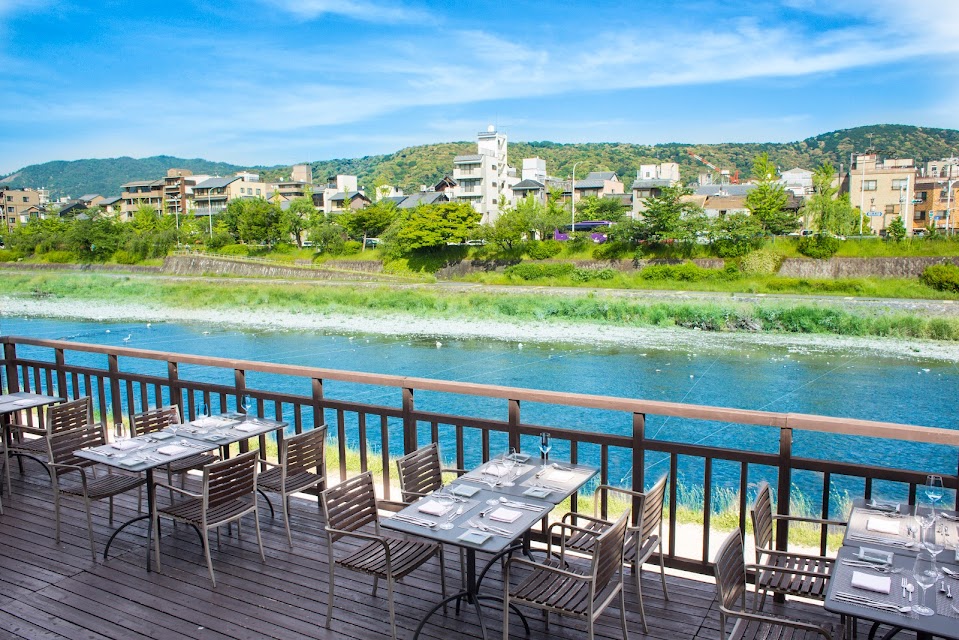
To make a corporate banquet truly successful, it’s not enough to simply choose the right format or serve good food — it’s essential to think about the experience you’re offering. Hosting the event at a unique venue, such as a historic building or an art gallery, can create a sense of novelty and make the occasion truly memorable for attendees.
Incorporating local ingredients into a customized menu or presenting a video that reflects the company’s history can engage the senses and significantly enhance overall satisfaction. Team-building activities, workshops, or interactive games can also deepen connections among employees.
Ultimately, a banquet is more than just a social gathering — it’s a meaningful opportunity to express your company’s culture and values. Instead of focusing solely on logistics and format, aim to create a shared experience that resonates and remains in the memories of those who attend.
For real-life examples of events held at unique venues, click here.
Conclusion: Design a Memorable Time for Everyone
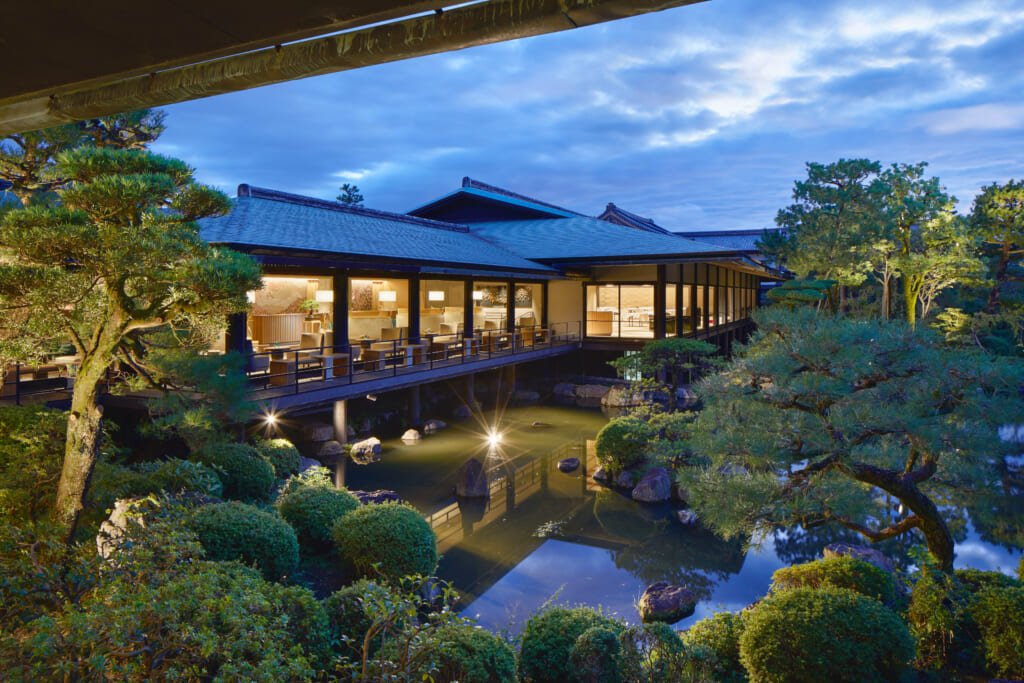
A corporate banquet is more than just a dining experience — it’s an opportunity to communicate your company’s values and create a memorable experience for your guests. By selecting the right format based on your objectives and audience, and by thoughtfully designing the event, you can significantly enhance guest satisfaction. Hosting your event at a unique venue adds a further layer of exclusivity and lasting impact.
At UNIQUE VENUES OF JAPAN, we provide comprehensive, one-stop support — from planning to execution — tailored to a variety of banquet formats and event goals.
Feel free to contact us to get started.
PLACE
Find a venue
Spend time with your loved ones,
at a one-of-a-kind location
where you can experience Japanese culture.