
A Must-Read for International Event Planners: Hospitality Strategies Leveraging Local Cultural Assets for Inbound Audiences
2025.11.14
column
Table of Contents
- The Importance of Choosing the Right Venue to Attract International Guests
- Why Venues Offering Authentic Japanese Cultural Experiences Are Preferred
- Recommended Cultural Venues for Hosting International Guests in Kyoto and Osaka
- Key Considerations for Incorporating Cultural Experiences into Receptions
- Conclusion: Deliver an Unforgettable Experience with Unique Venues
The Importance of Choosing the Right Venue to Attract International Guests
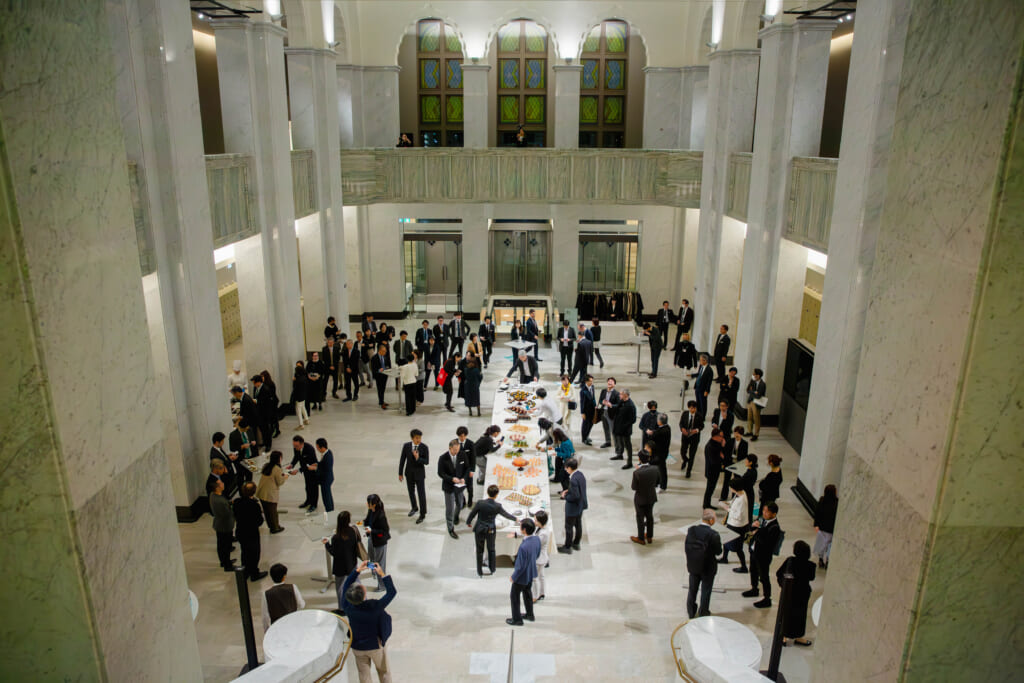
In international conferences and corporate hospitality events, enhancing the satisfaction of overseas guests directly contributes to strengthening organizational credibility and brand value. Among the various components of an event, venue selection plays a pivotal role in shaping the overall experience. Many inbound guests seek opportunities to engage with Japan’s distinctive cultural heritage—its history, traditions, and arts—making venues that embody these qualities a significant advantage.
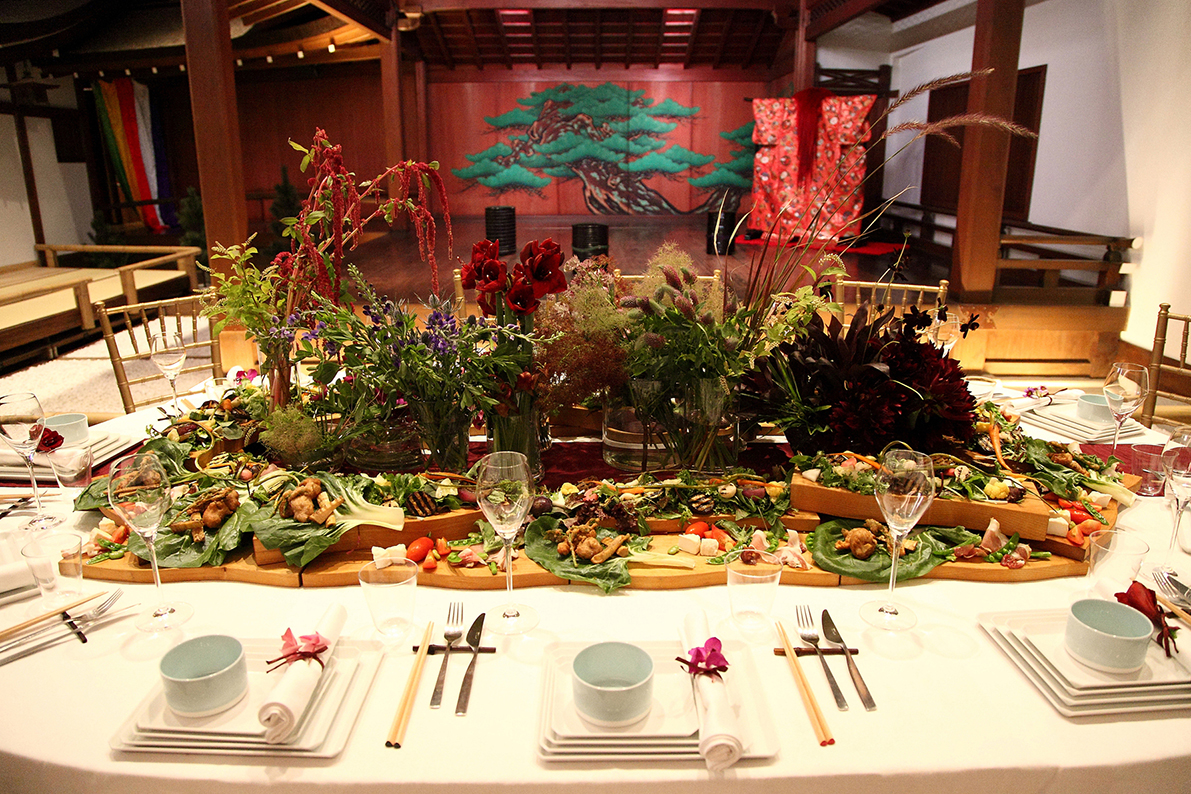
A space with a unique story allows hosts to naturally incorporate cultural experiences alongside networking and dining, creating a truly memorable occasion for attendees. Moreover, such experiences can generate additional benefits, including increased visibility through social media and deeper international relationships. Therefore, venue selection is far more than a logistical task—it is a strategic decision that expresses a company’s message and hospitality.
Why Venues Offering Authentic Japanese Cultural Experiences Are Preferred
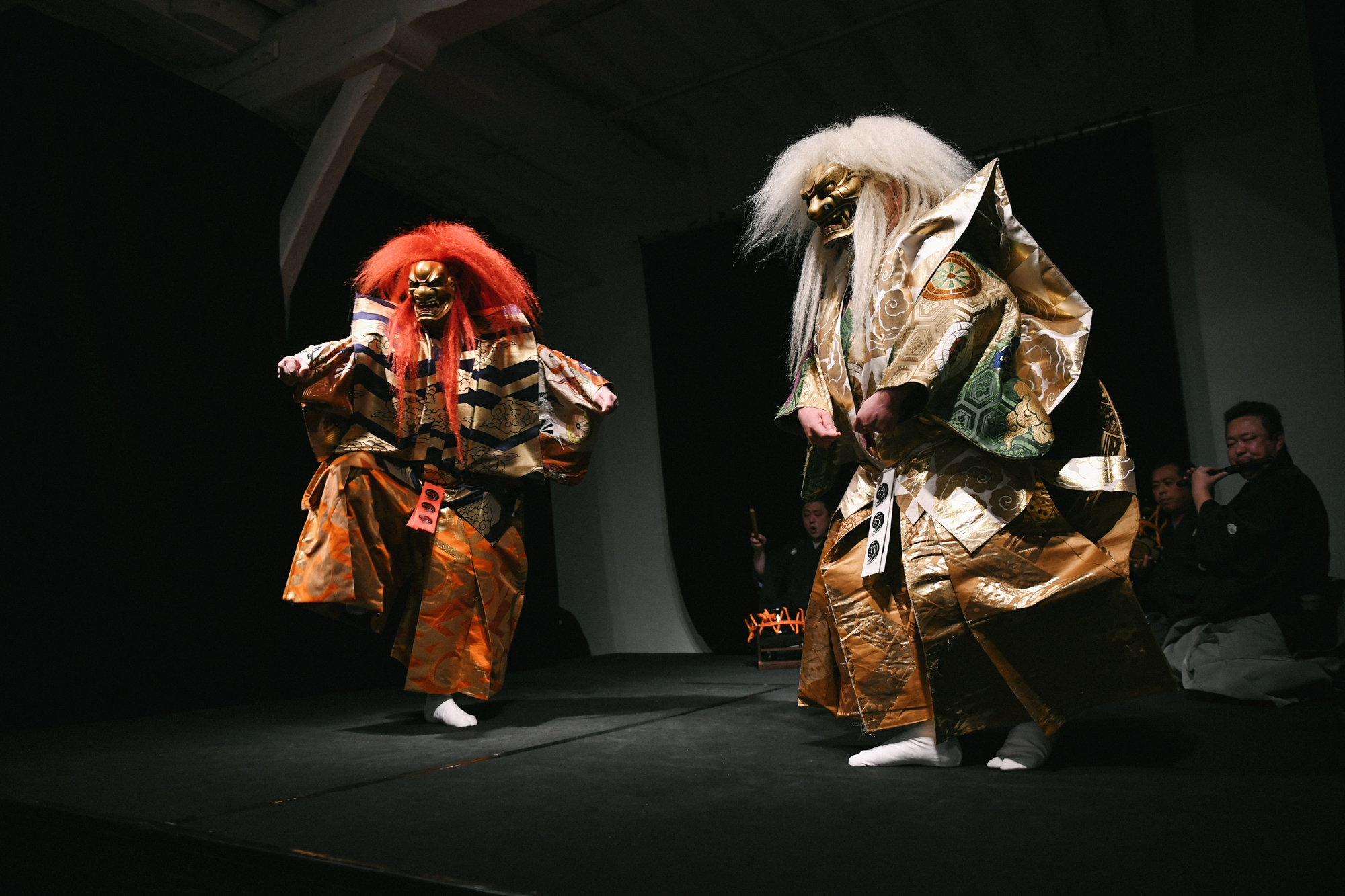
Inbound guests strongly seek opportunities to experience the local culture and history during their stay in Japan. In a reception setting, incorporating elements such as traditional performing arts or cultural appreciation—rather than focusing solely on food and casual conversation—can deliver a deeper level of satisfaction. Venues with strong cultural significance, such as historical buildings and art institutions, provide an extraordinary atmosphere that naturally enhances interaction and fosters communication among participants.
Furthermore, programs designed to learn and experience Japanese culture align well with the objectives of networking events and contribute to creating memorable experiences. For these reasons, venues that can offer cultural engagement are highly valued in receptions hosting overseas guests.
Recommended Cultural Venues for Hosting International Guests in Kyoto and Osaka
FUNATSURU KYOTO KAMOGAWA RESORT
Kyoto|Kiyamachi
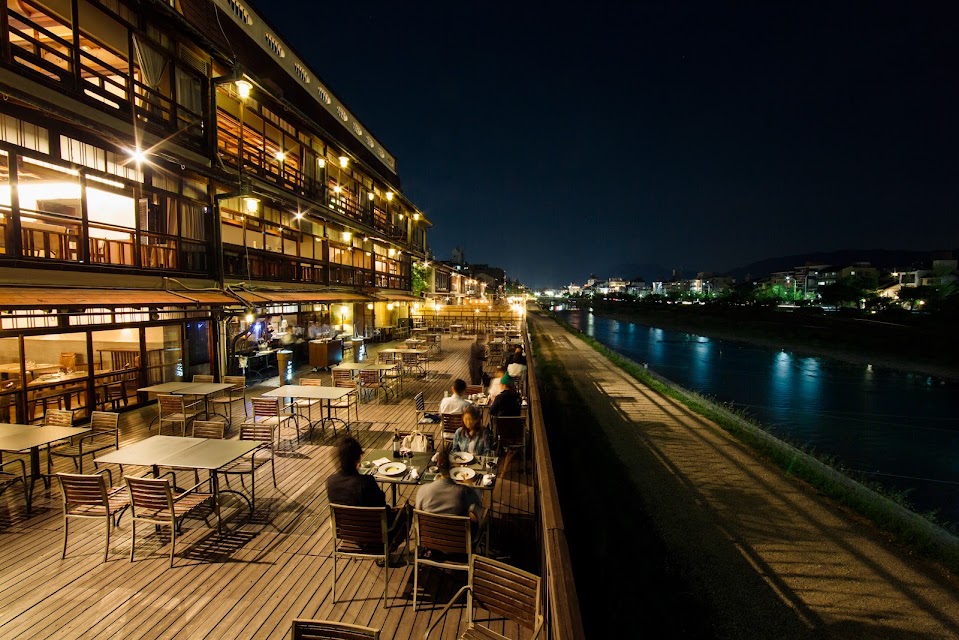
Located along the Kamo River in Kyoto’s Kiyamachi district, Funatsuru Kyoto Kamogawa Resort is a historic ryotei-style inn founded in 1870 and designated as a Registered Tangible Cultural Property in 2012. Its iconic five-story tower architecture, terrace with panoramic views of the Higashiyama mountain range, and seasonal river terraces (kawadoko), offer an exceptional setting for elegant receptions that reflect the charm of Kyoto’s natural landscape. With a variety of venue options—from the Grand Ballroom and Gallery Room to a private VIP Room—the facility can accommodate events of up to 160 guests.
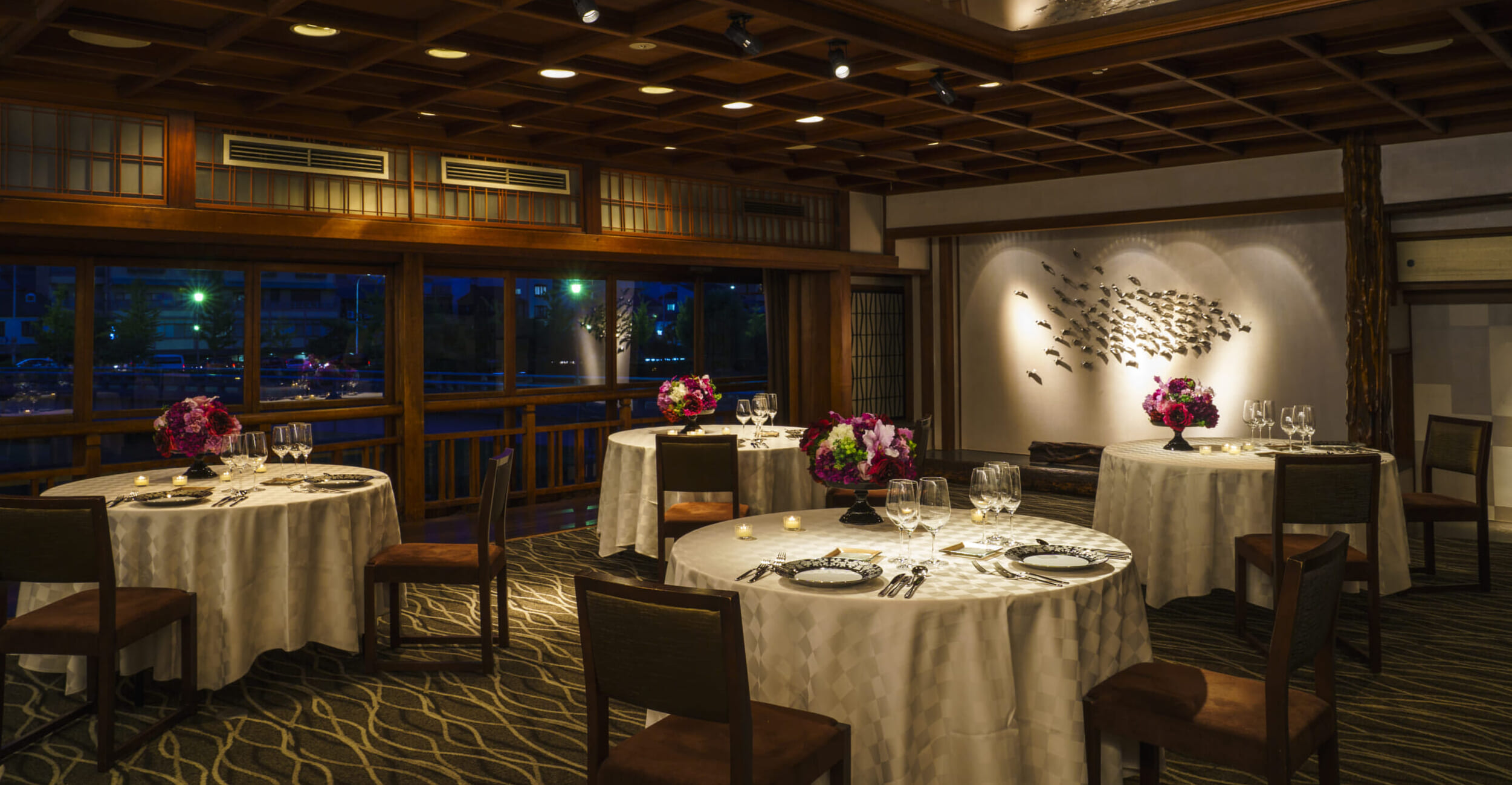
For international attendees, hospitality can include cultural elements such as performances by maiko or traditional Japanese music, as well as French-inspired cuisine featuring local Kyoto ingredients and aperitif-style offerings—delivering an immersive cultural experience through taste, scenery, and sound. The venue is also equipped with Wi-Fi, multilingual support, and food-related accommodations including halal and allergy-friendly options, ensuring a welcoming environment for global guests.
Yamamoto Noh Theater
Osaka|Osaka city
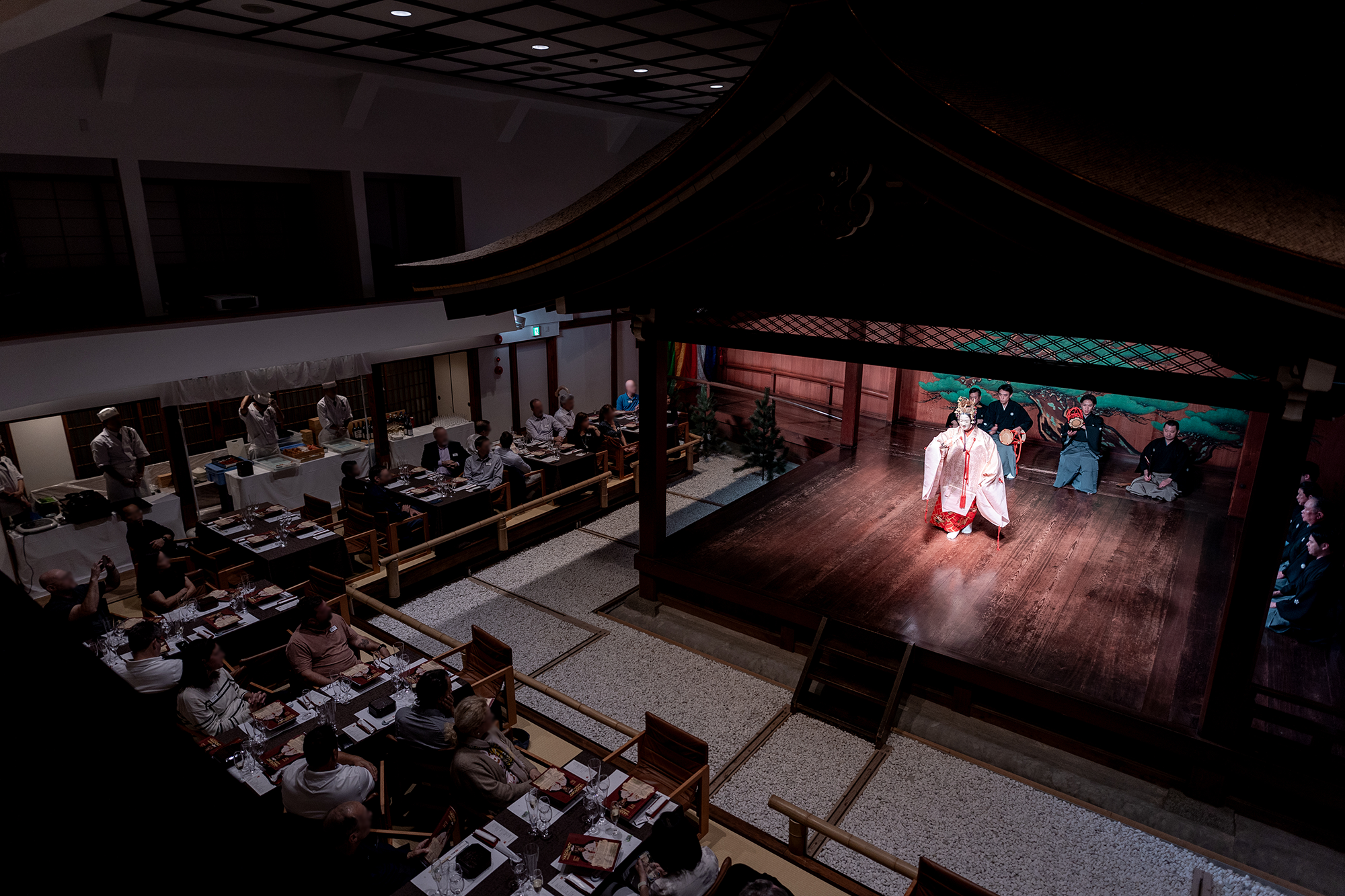
Located in the heart of Osaka, Yamamoto Noh Theater is a Registered Tangible Cultural Property. Originally established in 1927, the theater was rebuilt in 1950 after being destroyed during wartime, and today it preserves over 90 years of history. Despite its central urban location, guests are transported into the refined world of traditional Japanese performing arts as soon as they step inside. The venue can accommodate exhibitions, conferences, and receptions for up to 98 guests, allowing for immersive cultural events that bring attendees close to an authentic Noh stage.
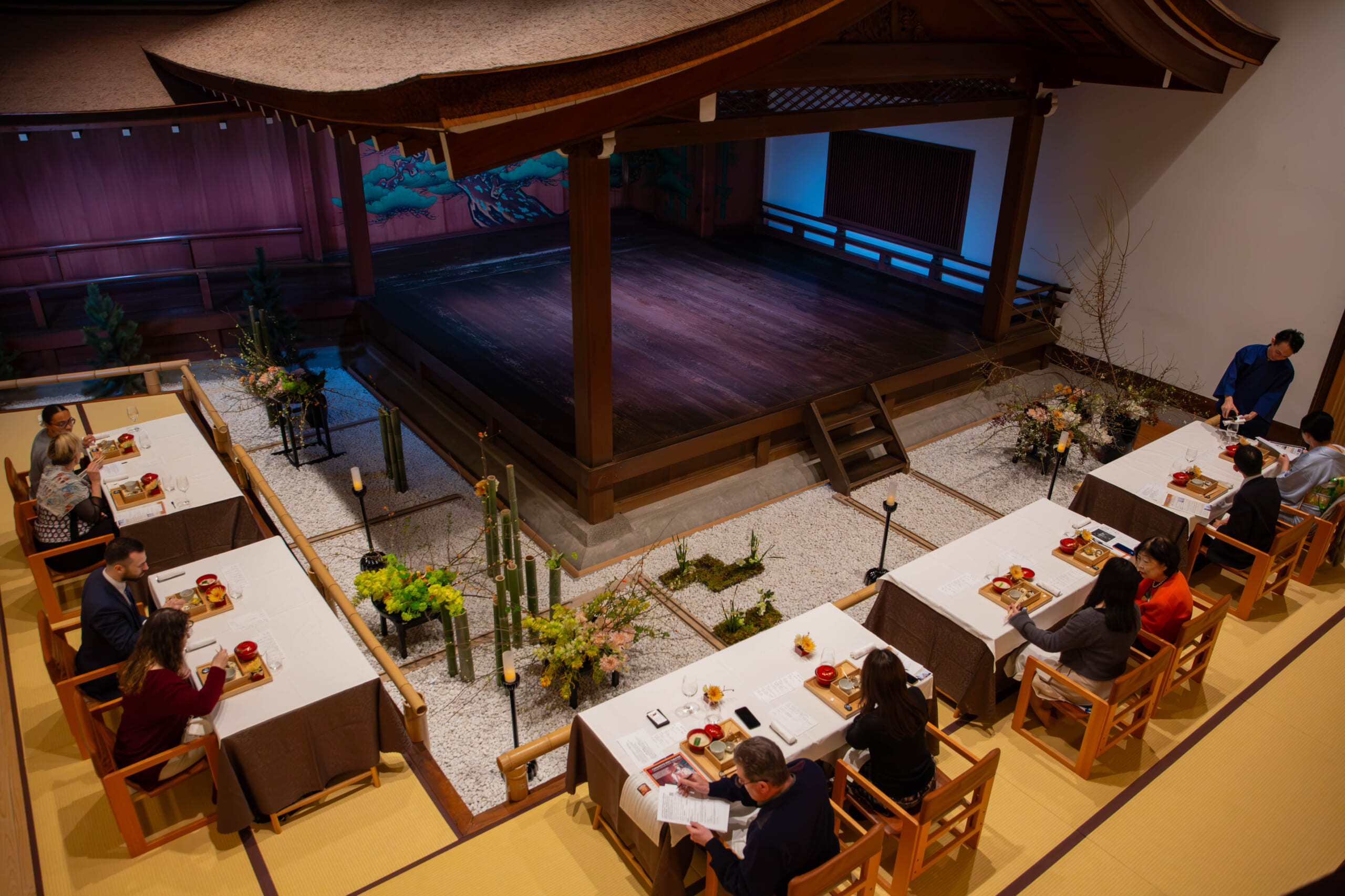
The facility is equipped with Wi-Fi, multilingual support, audiovisual and lighting systems, as well as food accommodations including halal and allergy-friendly options—ensuring thoughtful hospitality for international guests. Conveniently located just a five-minute walk from Tanimachi 4-chome subway station, it offers an accessible yet extraordinary setting ideal for hosting overseas VIPs and fostering global networking.
Osaka city Museum of Fine Arts
Osaka|Tennoji

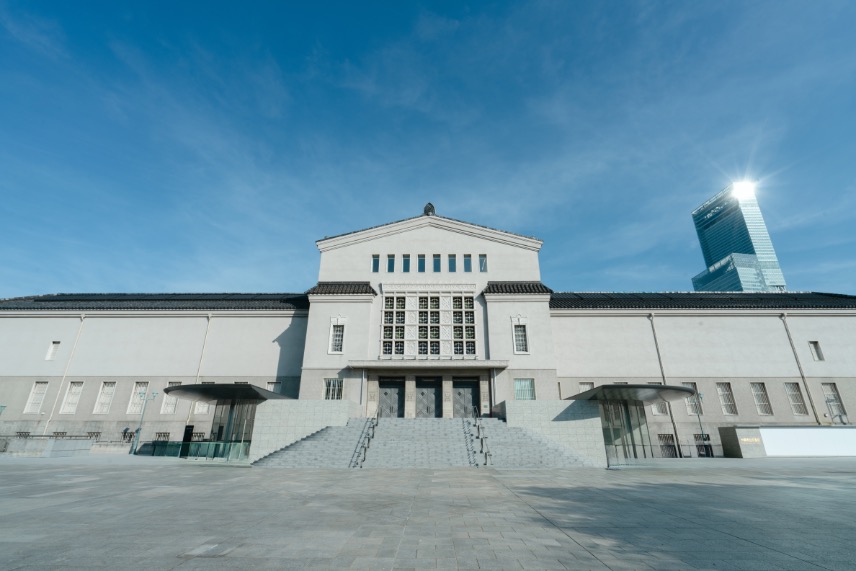
Located within Osaka’s Tennoji Park, Osaka City Museum of Fine Arts is a historic institution that opened in 1936 and houses an extensive collection, including Important Cultural Properties. In 2025, the museum will reopen following a major renovation under the concept of a “Museum Open to All,” enabling the venue to host receptions and events within its extraordinary cultural setting. With diverse spaces such as the Central Hall, Special Room, Atelier, and “Jaorium,” the museum can accommodate a wide range of functions—from intimate gatherings to large-scale events for up to 250 guests.
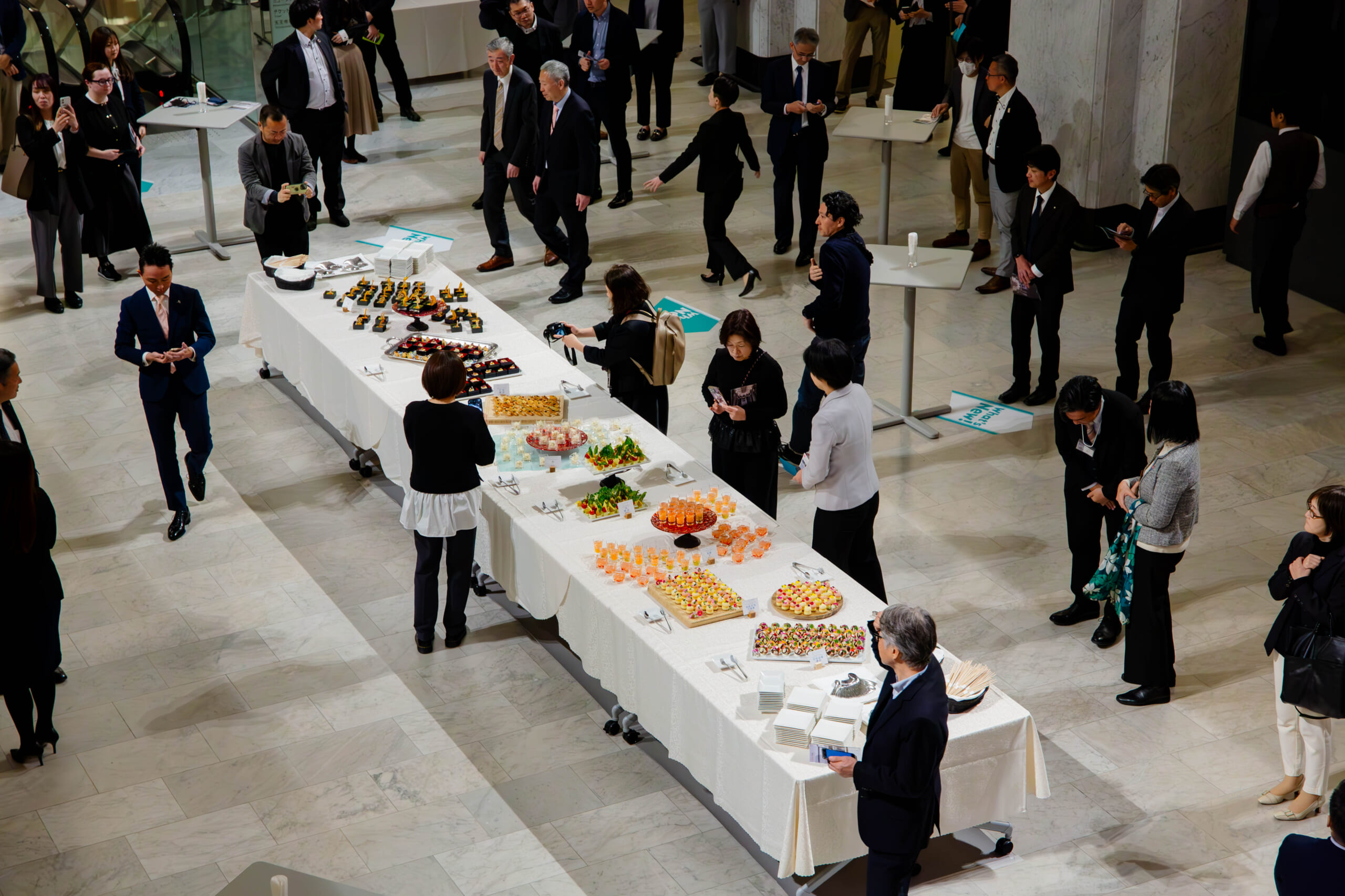
The venue is ideal for integrating art appreciation into cultural experience–driven events, as well as for off-site meetings, gala dinners, and international networking functions. Equipped with Wi-Fi, audiovisual systems, and multilingual support, the museum offers an exceptional hospitality environment for global attendees, making it a highly attractive unique venue for international receptions.
Key Considerations for Incorporating Cultural Experiences into Receptions
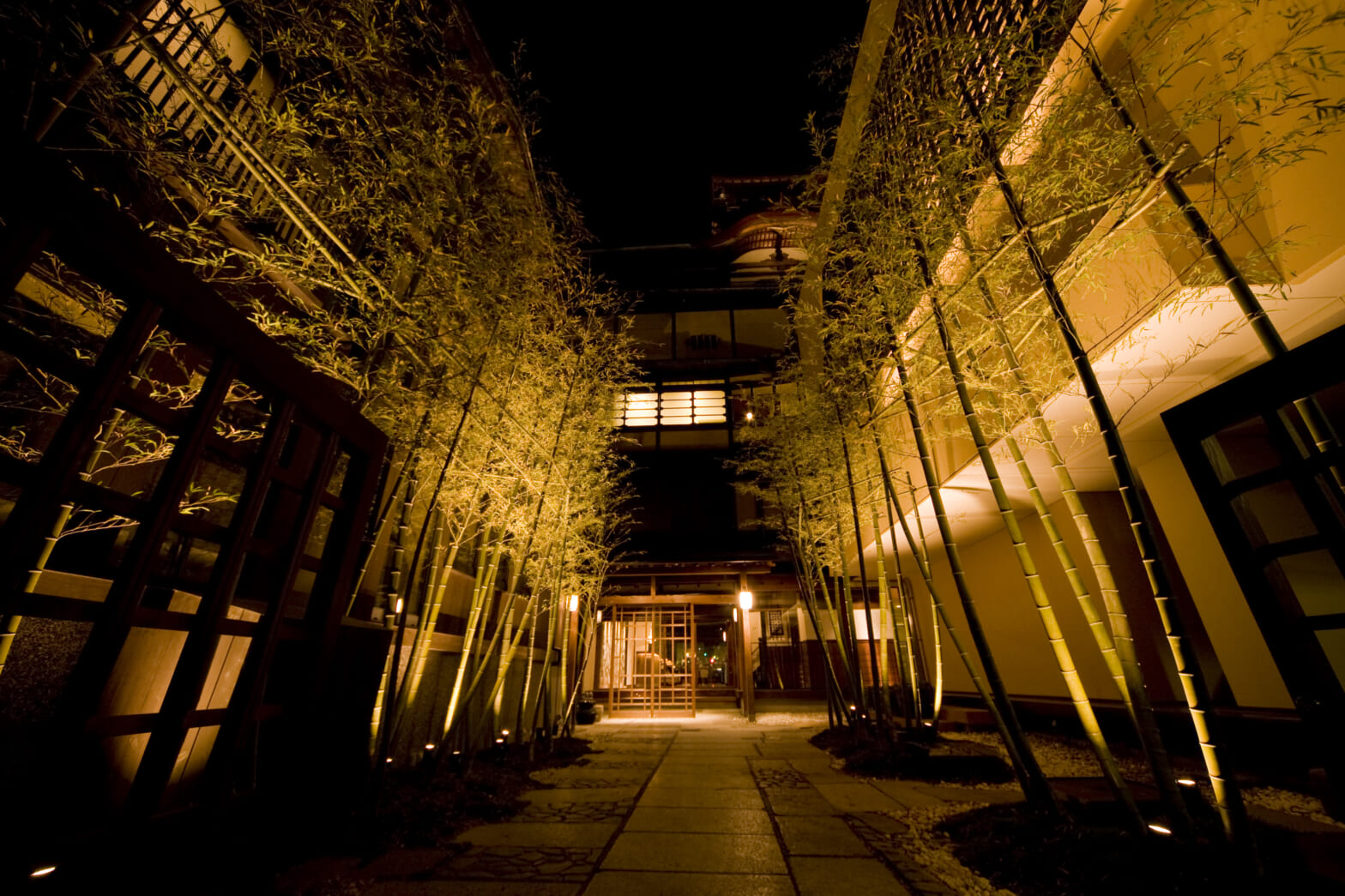
As shown in the previous examples—Funatsuru Kyoto Kamogawa Resort, Yamamoto Noh Theater, and Osaka City Museum of Fine Arts—venues rooted in history and culture enable receptions enriched with uniquely Japanese experiences. Aligning food, lighting, and overall staging with the venue’s aesthetic enhances the sense of immersion and exclusivity.
Multilingual support, designated photo spots, and social media–friendly elements further elevate guest satisfaction and create lasting memories. Leveraging the venue’s cultural identity in your planning is essential to delivering a successful reception for international audiences.
Conclusion: Deliver an Unforgettable Experience with Unique Venues
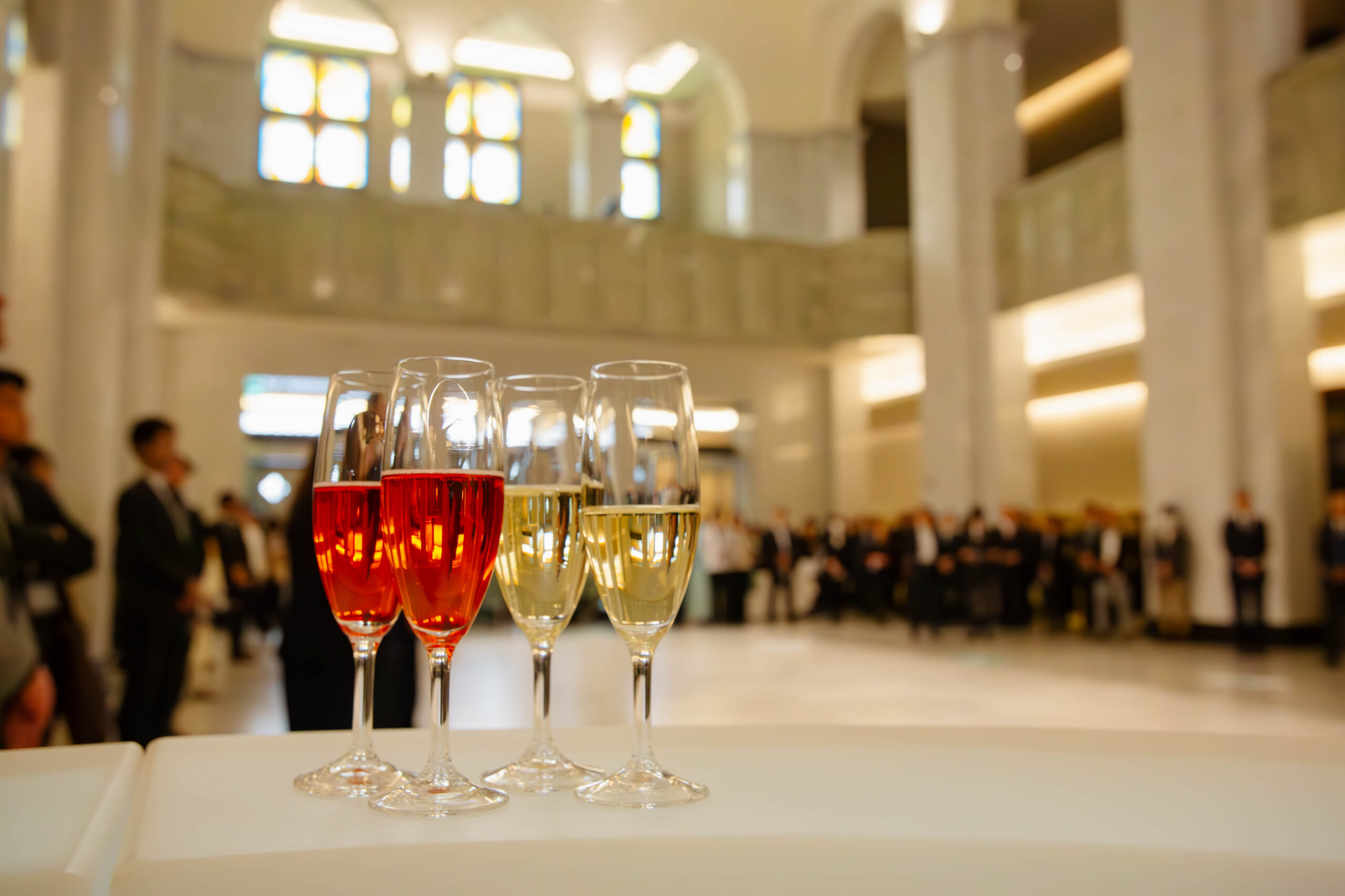
Reception parties play a vital role in communicating a company’s values and identity directly to its guests. Selecting a venue with strong cultural significance adds a sense of exclusivity and local authenticity, creating memorable moments for attendees. When the venue’s story is reflected in the program and staging, it naturally fosters interaction and strengthens relationships across departments, regions, and countries. Choosing the right venue and incorporating cultural hospitality are key to a successful reception.
At UNIQUE VENUES OF JAPAN, we provide comprehensive support from planning to on-site management. Please feel free to contact us.
PLACE
Find a venue
Spend time with your loved ones,
at a one-of-a-kind location
where you can experience Japanese culture.